
Author: Art Frontier
-

Aesthetic Resonance and Its Contemporary Significance: A Study of the Preface to the Hua Shan Painting Atlas
The statement “My heart takes my inner self as its master, my inner self guides my eyes, and my eyes learn from Mount Hua thus guiding the depiction of the landscape in my painting,” from The Prefaces of the Painting Atlas of Mount Hua, is often considered a maxim for imitating nature. This summary of painting theory…
-
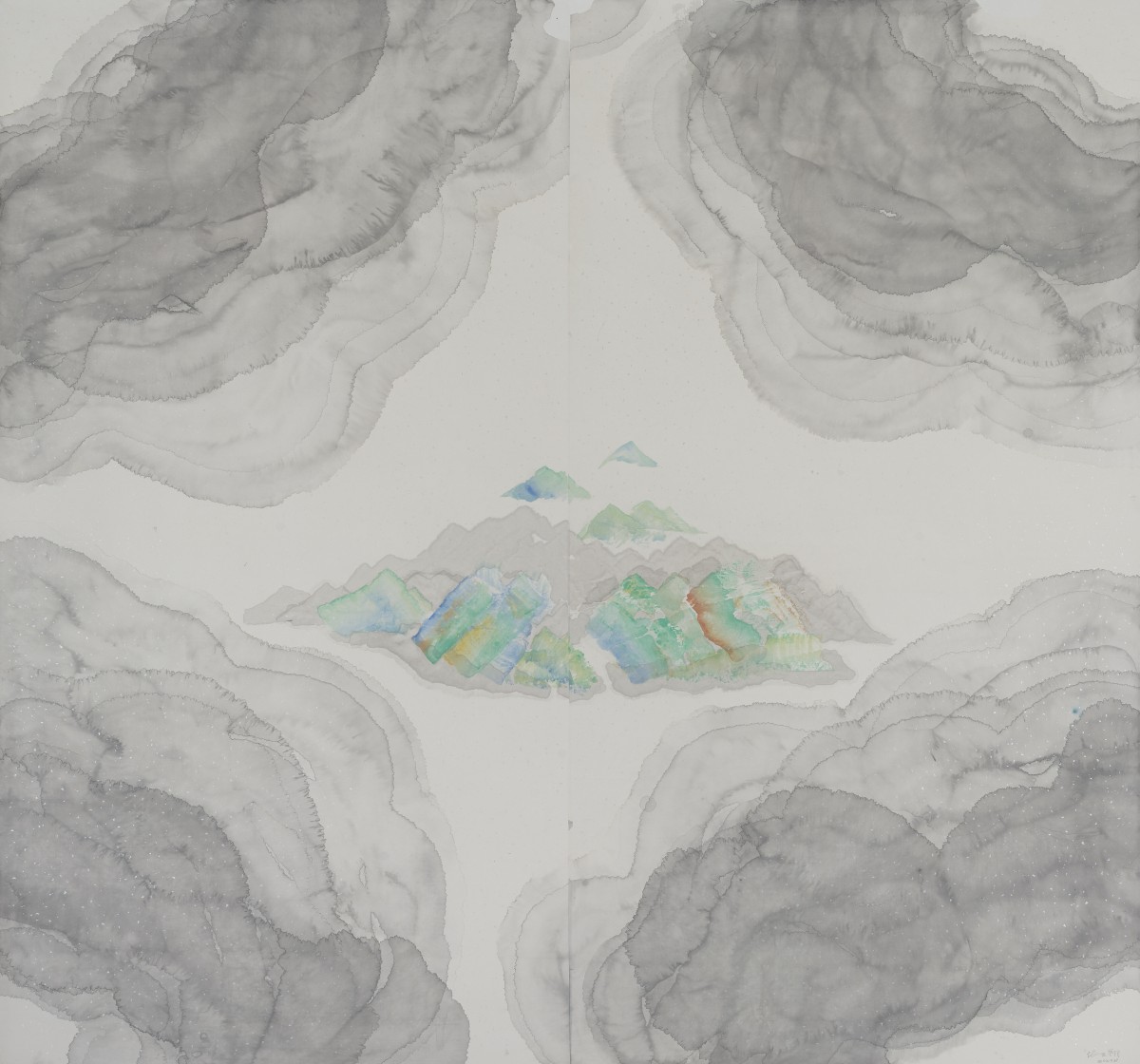
Between Ink and Illumination: Lixiang Zhang’s Chengxiang in a Global Horizon
This essay examines Lixiang Zhang’s (張立翔) Chengxiang (澄象, Purified Image) series as a pivotal case for understanding how contemporary Chinese ink painting redefines abstraction within global modernism. Through comparative dialogue with Mark Rothko and Isamu Noguchi, it argues that Zhang’s art transcends binary distinctions between East and West, tradition and modernity, materiality and transcendence. Drawing on Zong Bing’s (宗炳)…
-
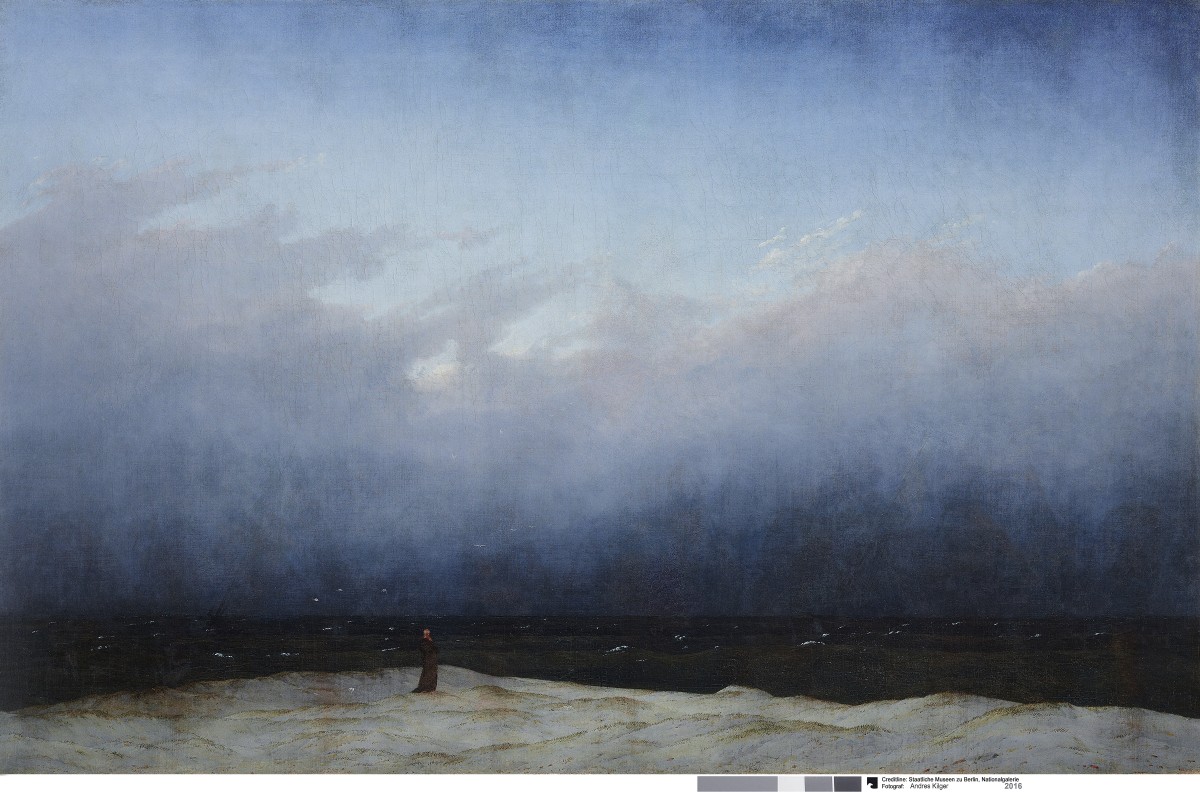
Reflections on Paolo Santangelo’s Research into Chinese Emotional Culture
In Sentimental Education in Chinese History: An Interdisciplinary Textual Research on Ming and Qing Sources, Paolo Santangelo seeks to reinterpret emotional cultures within Chinese history through a taxonomic study of affective vocabulary in classical texts from the mid-Ming to mid-Qing periods, along with comparative analysis with corresponding Western terminology. Combining textual analysis with methodologies from…
-

The Gender of the Image: Female Tendencies in the Unmanned Stretcher Image on Stone Funerary Beds of the Eastern Wei Dynasty
The stone funerary bed of the Xie family’s tomb for Feng Senghui in the Eastern Wei Dynasty, Anyang features a carving of two persons transporting an empty stretcher. A nearly identical scene appears on another funerary bed of the same period, currently housed at the Shenzhen Goldstone Museum of Art. Scholarly analysis has identified this…
-
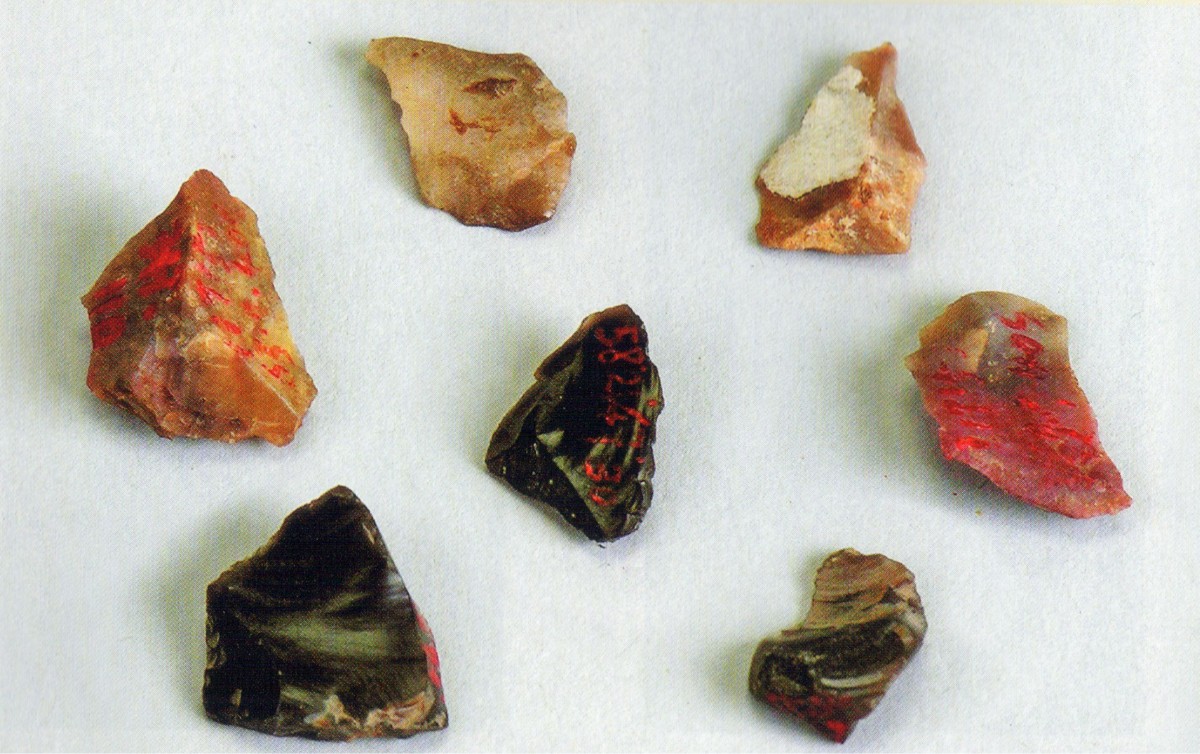
The Integration of Ordos Regional Culture and the Evolution of Livelihood Patterns during the Pre-Qin Period
Ordos, located in the southwestern part of the Inner Mongolia Autonomous Region, is one of the core areas of Northern Frontier culture. During the pre-Qin period, the Ordos region witnessed the integration of agrarian and nomadic cultures, fostering ethnic amalgamation and cultural exchange. The subsistence models evolved from a combination of gathering and hunting in…
-
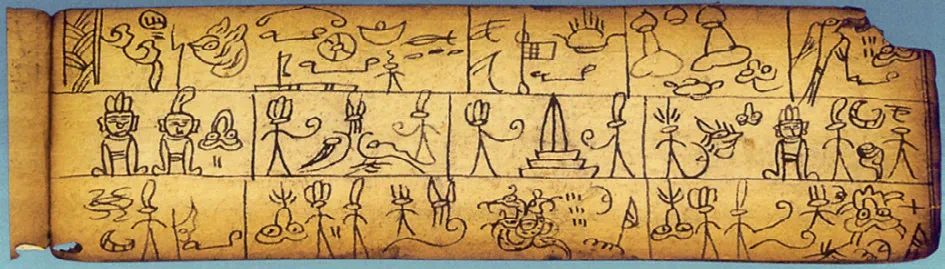
Insights into the Native Characteristics of Chinese Civilization from the Origins of Writing
The Yan-Huang culture, as the dual pillar system of the same origin of Chinese civilization, holds profound significance. Through an in-depth exploration of the rich modern archaeological data, particularly the inscribed symbols, it becomes evident that the Jianghai civilization of the Yangtze River basin, led by the Yan Emperor, and the inland civilization of the…
-

The Sound of Bone Flute: the Peiligang Culture in the Central Plains Played a Role in the 8,000-year History of Chinese Civilization
Dating back as early as 8,000 to 9,000 years ago, the Central Plains region had already witnessed the emergence of an advanced cultural nucleus epitomized by the Peiligang Culture, renowned for its remarkable inclusivity and inventiveness. The early settlements were characterized by semi-subterranean dwellings, a flourishing population, and a well-defined gender-based division of labor. People…
-
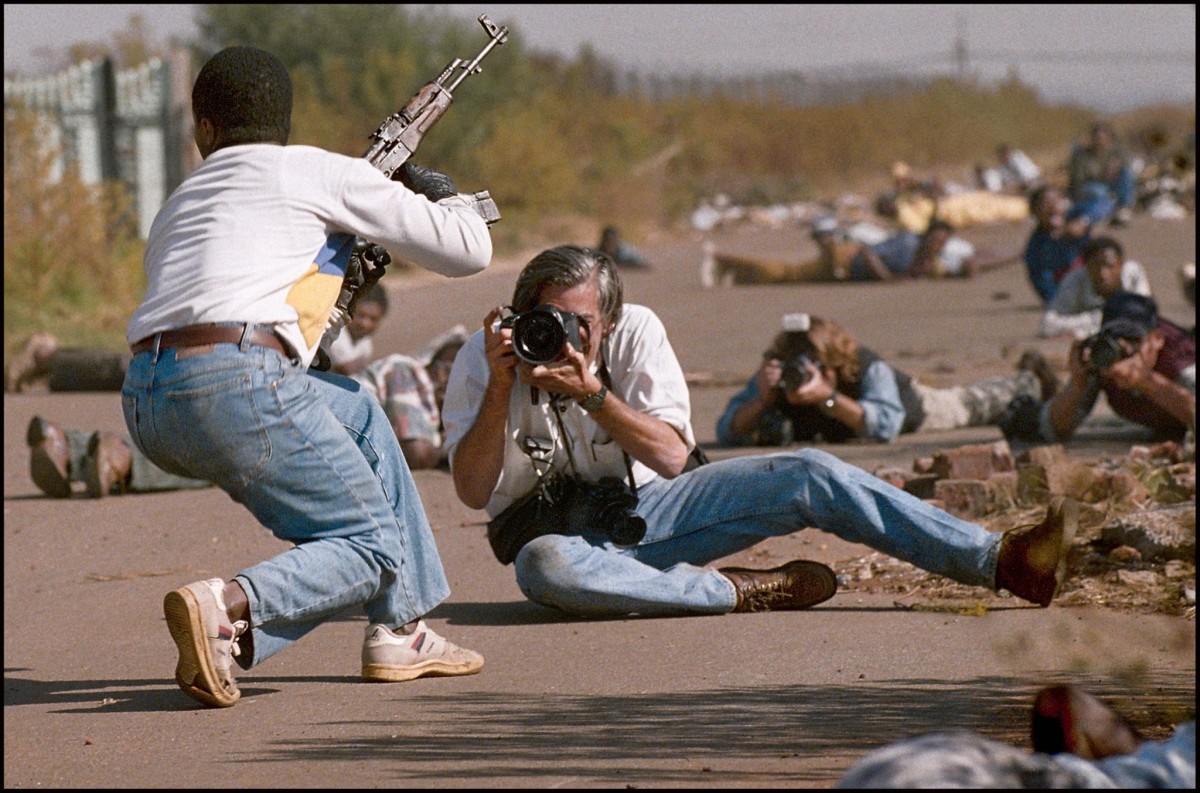
Ethics In War Photojournalism and the Moral Issue of Photojournalists
This is a documentary war photograph taken by war photographer David Turnley, a colleague of renowned war photographer James Nachtwey. The image shows Nachtwey raising his camera to capture a scene of one teenager holding a firearm amid chaos. The photo was taken in Thokoza, South Africa, in 1994, during intense civil conflict between the…
-

Cultural Sharing: Socially Engaged Art Between Cities
Public art seeks the effectiveness of communication. In past artistic creations, the artist remained the main creator, placing their work in exhibition spaces to achieve the sharing of art, while the public, as the audience, was merely a viewer. In today’s cities, artistic creations in public spaces have become increasingly diverse, yet some marginalized groups…