
Author: Art Frontier
-
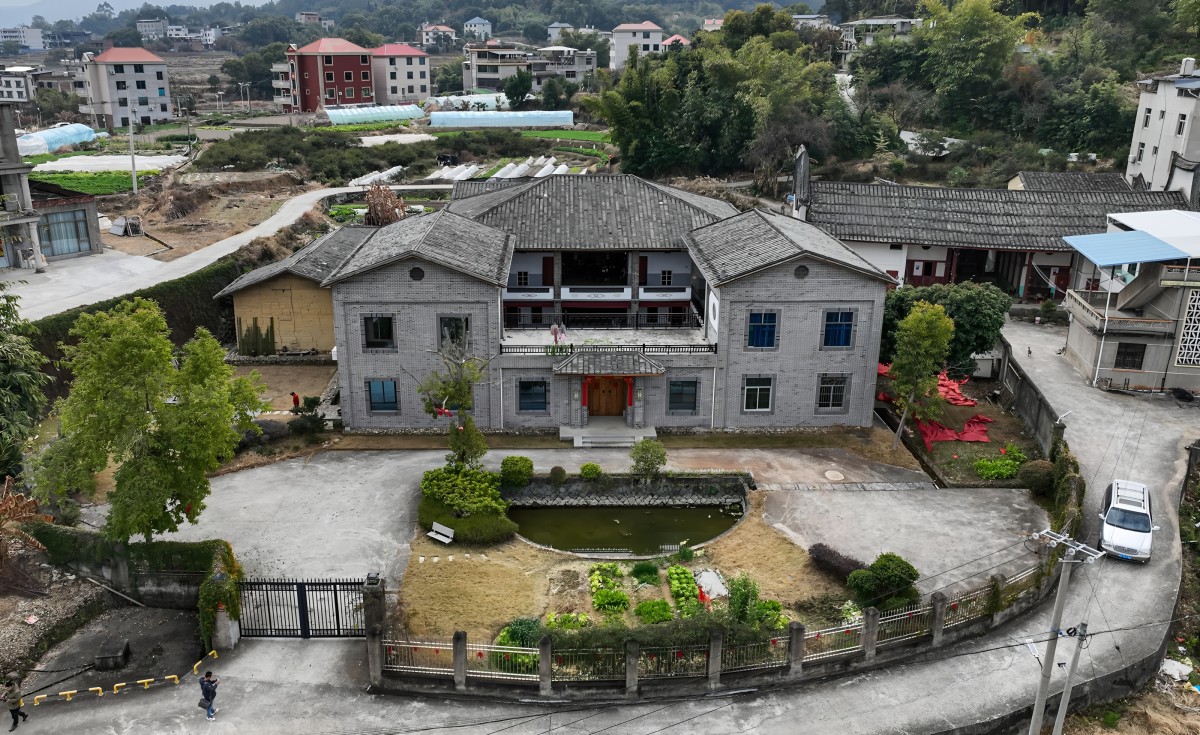
Qiaopi Network and Art Ecosystem: A Study on the Art Sponsorship Mechanism in Southern Fujian
This study examines the Qiaopi network in Southern Fujian to explore how transnational capital flows promoted the formation of local art production and cultural ecosystems during the first half of the twentieth century. It analyzes the operational mechanisms of the remittance system, the direction of capital flows, and their multifaceted impacts on folk art creation, architectural…
-
Li Shutong and the Dual Legacy of Impressionist Oil Painting
This paper examines Li Shutong, an early Chinese art educator in Japan, who systematically learned Impressionist oil painting at the Tokyo School of Fine Arts. Upon returning to China, he localized and transformed the art form through creative practice and education, integrating his sketching-light and color-atmosphere pedagogical system into art education and driving a paradigm shift in modern Chinese…
-
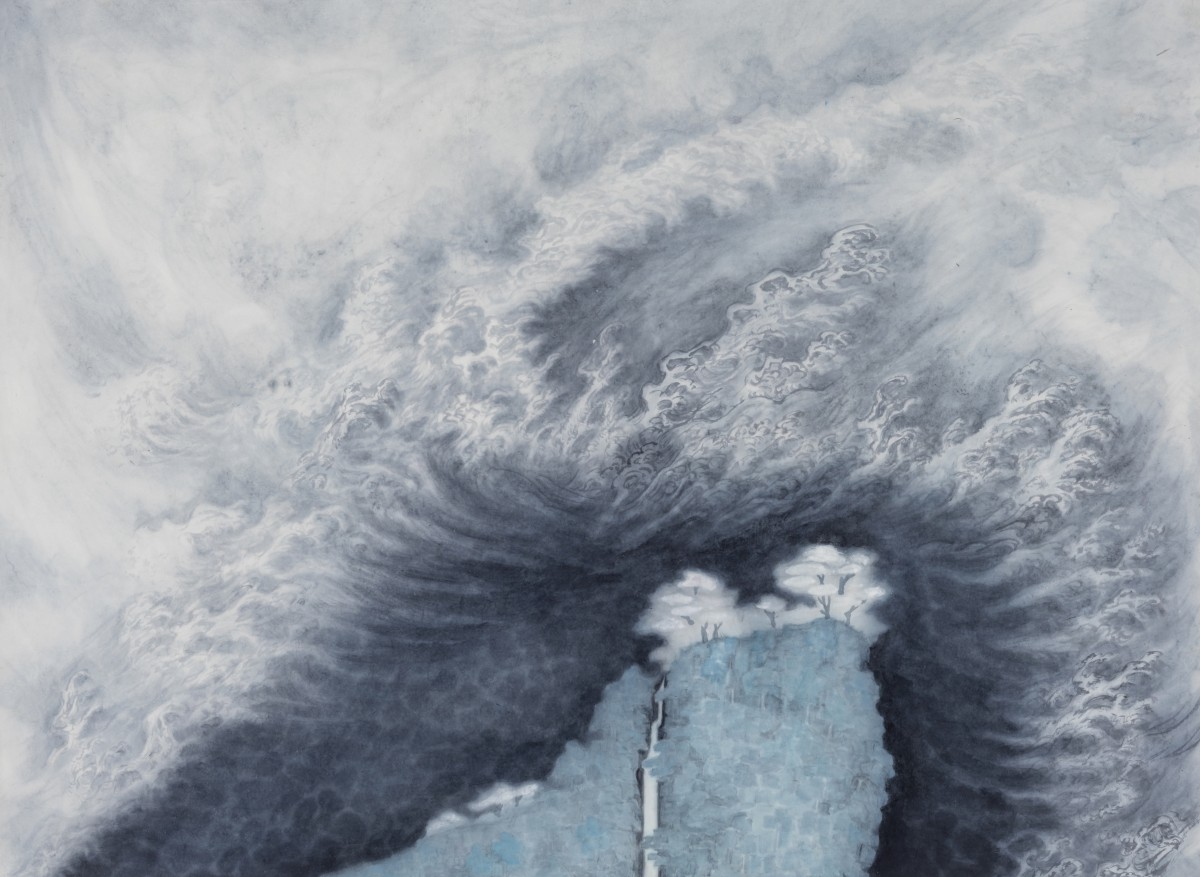
From Water-element to Water-theme: A Study on the Creative Transformation in Chinese Landscape Painting
This paper breaks away from the traditional research paradigm of landscape-water integration and proposes the theoretical framework of an independent water-theme creative system. By constructing a dual-analysis framework centered on water-element and water-theme, this study systematically examines the historical reasons behind water-element’s long-standing subordinate status in traditional landscape painting, revealing how hyper-stable structures constrain the development…
-
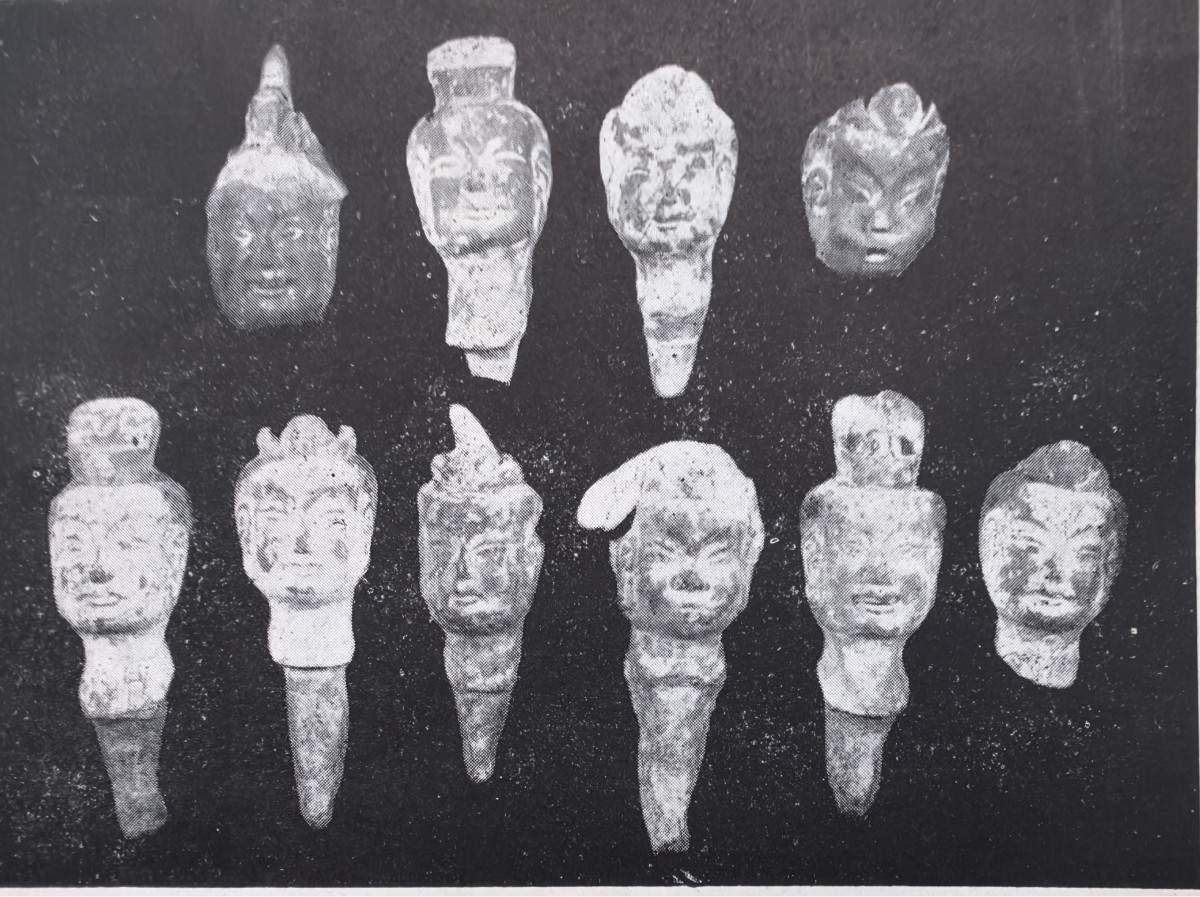
Painted Portrait Bricks, Murals, and Pottery Figurine Art of the Southern Dynasty Tomb in Xuezhuang, Dengzhou
The Southern Dynasty’s painted pictorial brick and mural tomb of Xuezhuang in Dengzhou was the first of its kind to be discovered in the history of Chinese archaeology. Although it was not looted, it was vandalized and the complete layout of the tomb chamber cannot be seen. Its artistic and archaeological value is greatly discounted. By 1992,…
-
Digital Research and the Current Situation of Chinese Art Images
Earlier this year, writing about art and image-generating technologies with artificial intelligence had a huge impact on art scholars and artists. These technologies have also drawn attention to the current status of digital development in Chinese fine arts. In fact, digital research and research and development projects on Chinese fine arts have been underway for…
-
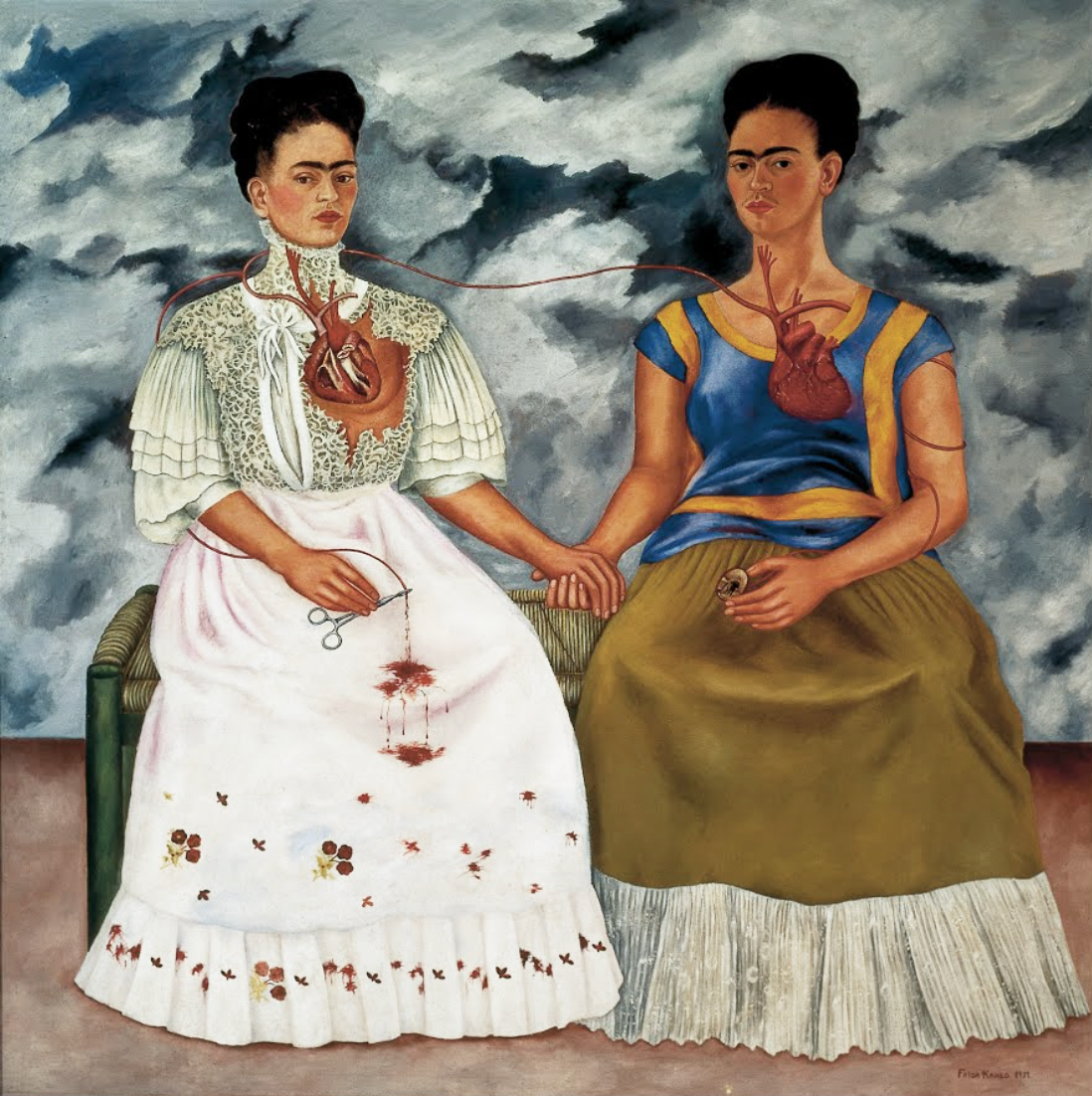
The Construction of Female Subjectivity in Self-Portraits: Symbolism and Feminist Expression in the Paintings of Frida Kahlo
This paper focuses on Frida Kahlo’s self-portraits, analyzing how she systematically constructs female subjectivity through the use of symbolism and a feminist perspective. Using iconographic analysis and sociological critique, the study explores how Kahlo transforms personal trauma, the pain of childbirth, and experiences of marital violence into forms of public artistic expression, thereby subverting the…
-

Bottom-up Nationality: The Development of Contemporary Japanese Art
This study employs a range of research methods, including cross-cultural comparative analysis and an in-depth examination of art historical developments, to explore the distinctive features of modern and contemporary Japanese art from multiple perspectives, such as history and reality, ethnicity and state, art and culture, as well as institutional structures and mechanisms. It argues that…
-

The Eastern Echo of the Thinking of Being: A Study of Zao Wou-Ki’s Painting from the Perspectives of Heidegger and Taoism
This paper focuses on the art of Zao Wou-Ki, interpreting it through the dual perspectives of Martin Heidegger’s philosophy of Being and Taoist thought. In response to the current lack of application of cross-cultural philosophical dialogue in the field of art, and the fact that existing studies on Zao Wou-Ki tend to emphasize stylistic analysis…