
Yuan Linan
Henan University
DOI: 10.64212/OJOU1663
Abstract
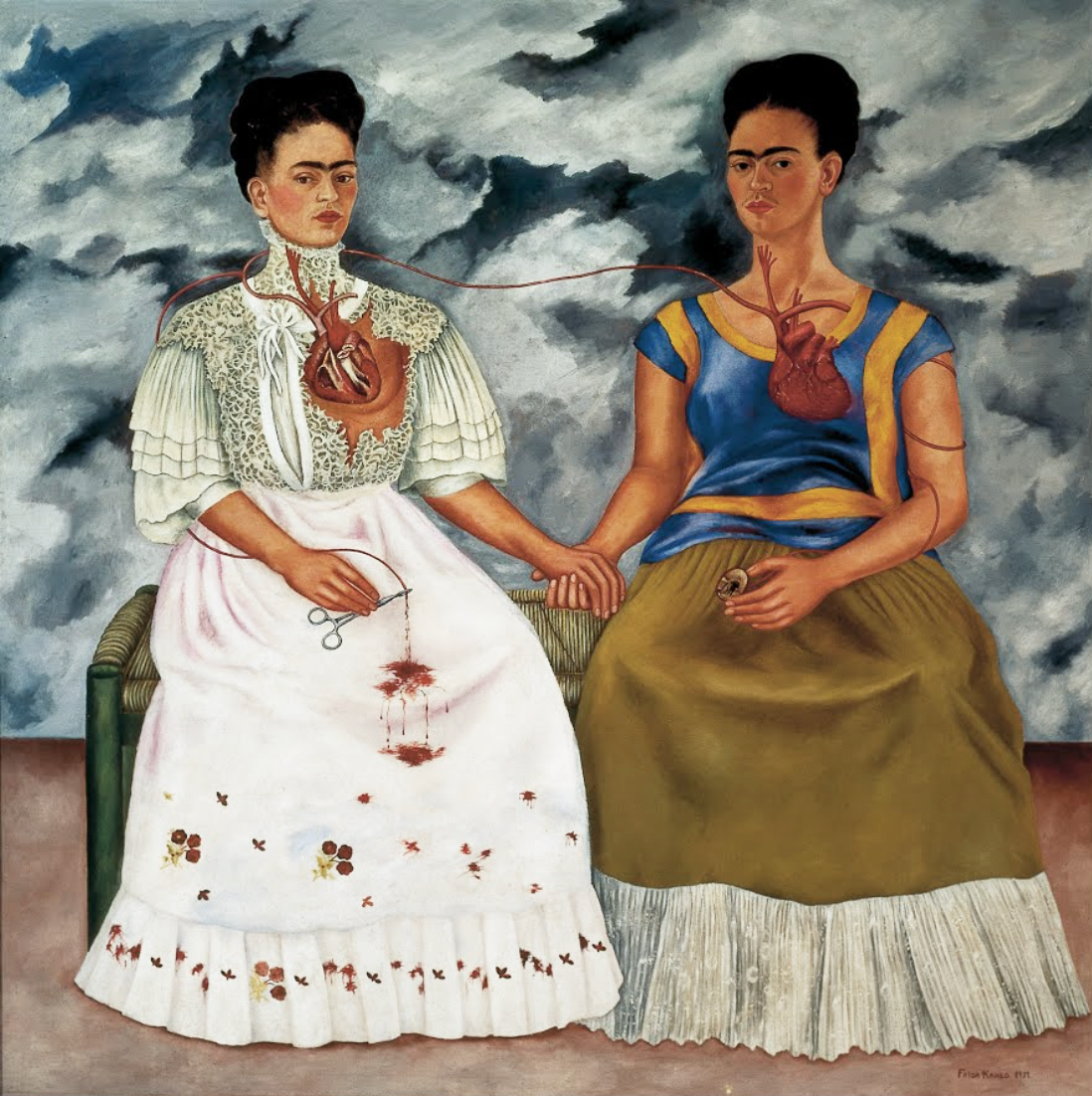
This paper focuses on Frida Kahlo’s self-portraits, analyzing how she systematically constructs female subjectivity through the use of symbolism and a feminist perspective. Using iconographic analysis and sociological critique, the study explores how Kahlo transforms personal trauma, the pain of childbirth, and experiences of marital violence into forms of public artistic expression, thereby subverting the patriarchal art tradition that has historically viewed women as “perfect vessels.” The research reveals that Kahlo reshapes female discourse through three strategies: challenging the patriarchal gaze with gender-neutral facial expressions and politically charged attire in The Two Fridas; establishing an aesthetic of pain through the self-splitting imagery in The Two Fridas; and reinforcing expressions of indigenous identity by invoking Mexican cultural traditions. Her cultural practice transforms traditional symbols into feminist visual images, which, from a global perspective, continue to generate art with significant symbolic resistance.
Key Words
Frida Kahlo, self-portrait, feminism, symbolism, body politics
Leave a Reply