
Gong Wanlin
School of New Media Art and Design, Beihang University
DOI: 10.64212/LWWF3256
Abstract
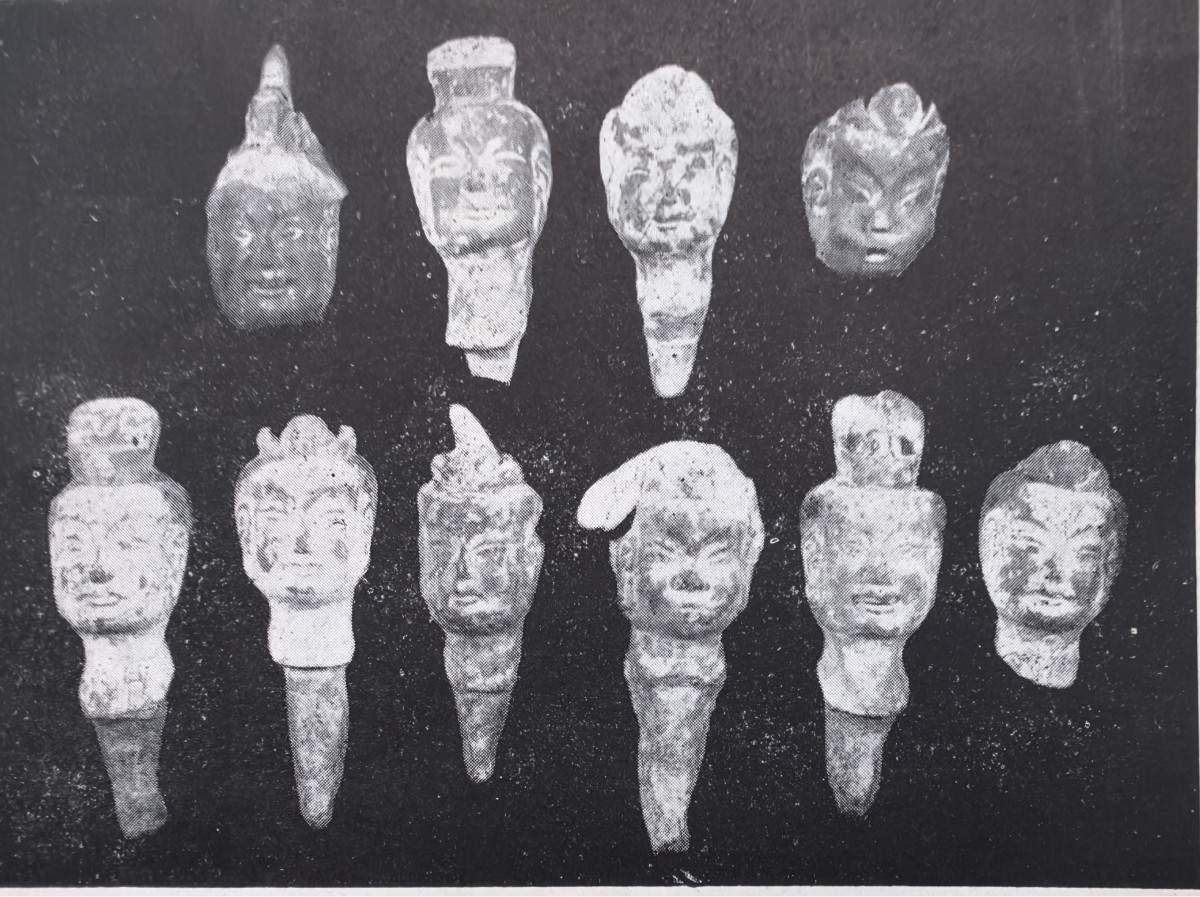
The Southern Dynasty’s painted pictorial brick and mural tomb of Xuezhuang in Dengzhou was the first of its kind to be discovered in the history of Chinese archaeology. Although it was not looted, it was vandalized and the complete layout of the tomb chamber cannot be seen. Its artistic and archaeological value is greatly discounted. By 1992, the tomb was relocated to the Dengzhou Museum for restoration. The tomb chamber of this tomb has a unique architectural structure, with unearthed painted pictorial bricks with inscriptions, painted murals on the tomb door, ink-written running script inscriptions, and assembled painted pottery figurines with carved inscriptions. It is deeply influenced by the Central Plains Heluo culture and has distinct regional characteristics of the Southern Dynasties. It combines Buddhism, Taoism, and even traditional Chinese folk beliefs into one, and may also be influenced by the integration of the three religions and the concept of dual cultivation of Buddhism and Taoism advocated by the Southern Dynasty’s royal family and aristocratic elites who migrated south during the Yiguan Nandu (衣冠南渡) movement.
Key Words
Dengzhou city, Southern Dynasty, painted pictorial bricks, painted murals, ink-written inscription, assembled pottery figurines
Leave a Reply