
Category: Vol.2 No.4 Oct.-Dec.2024
-

The Buddhist Philosophy Embodied in Hong Ren’s Huangshan Album
As the foremost among the Four Monks of the Early Qing Dynasty, the founder of the Xin’an School, and one of the Three Titans of Huangshan, Hong Ren played a pivotal role in the history of Chinese landscape painting. Among the few albums passed down from him, the Huangshan Album stands as a significant representation of his…
-
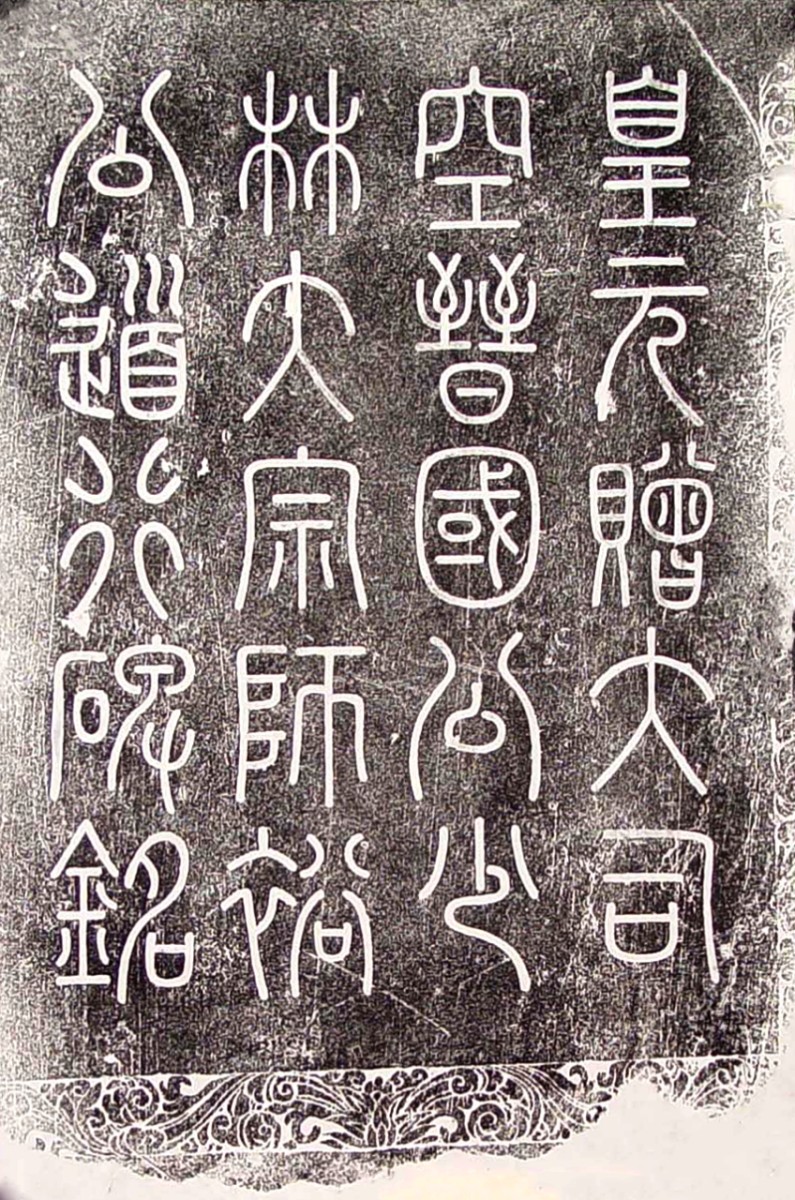
Zhao Mengfu’s Inscription on the Stele of Chan Master Yu Gong’s Virtuous Conduct and the Buddhist-Daoist Controversy in the Yuan Dynasty
The Stele of Chan Master Yu Gong’s Virtuous Conduct is preserved at the Shaolin Temple in Dengfeng County, Henan Province. This stele, written by Zhao Mengfu under an imperial commission during the Yuan Dynasty, holds significant calligraphic value. Zhao Mengfu, a devout Buddhist, had profound interactions with prominent monks, and his inscription for Chan Master Yu Gong reflects his…
-

The Art of Infant Play in the Song Dynasty and the Reasons for Its Flourishing
The infant play motif is a significant theme in ancient Chinese visual arts, originating during the Warring States period and evolving through the Sui, Tang, and Five dynasties before reaching its peak in the Song Dynasty. In addition to being a common subject in painting, it also frequently appeared in tomb murals and decorative arts.
-
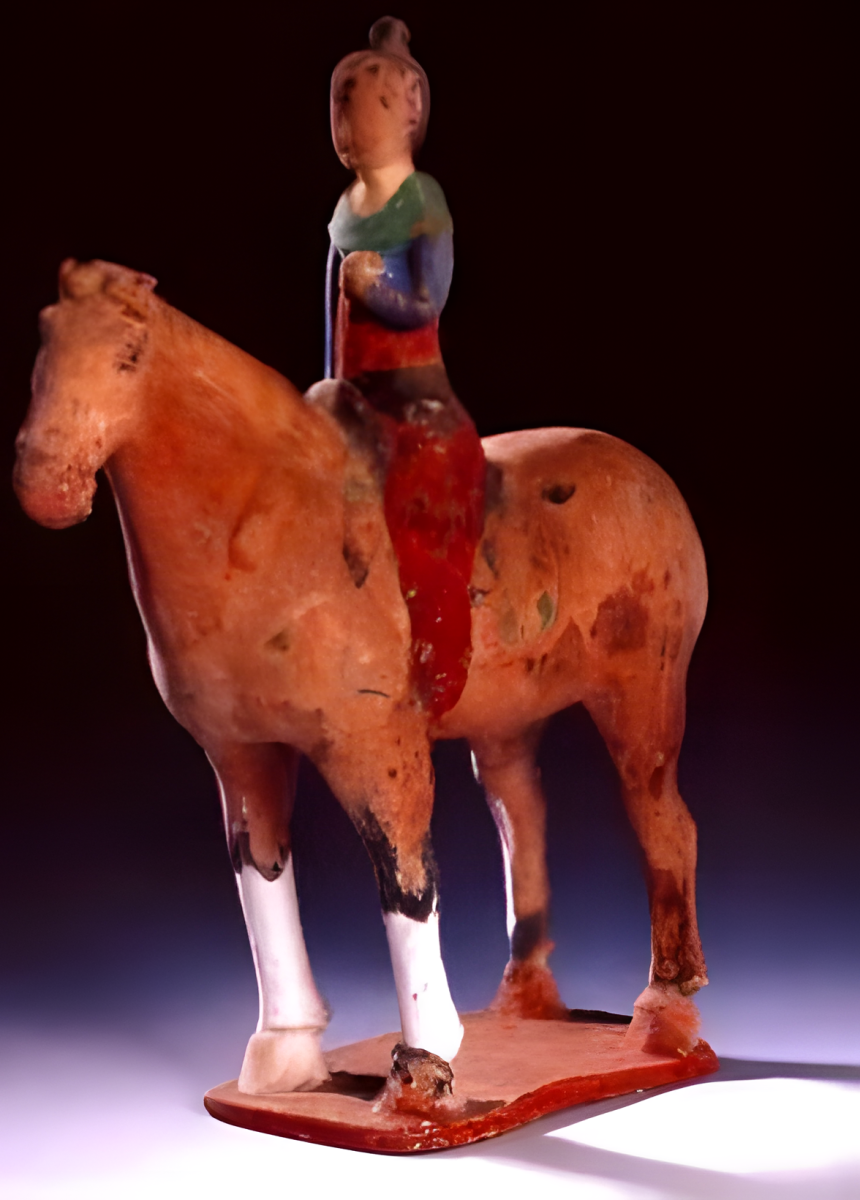
The Evolution of Female Figurine Clothing in Tang Dynasty Luoyang
Luoyang was a secondary capital during the Tang Dynasty, and the female figurines unearthed from Tang tombs are representative of that era. During the early Tang period, female figurines often wore short jackets in red, yellow, or green paired with red skirts, with belts adorned with red and green patterns. Their robes were predominantly red,…
-

The Source and Establishment of the Image Style of Jiyue People in Longmen Grottoes during the Tang Dynasty
As a special kind of Buddhist Jiyue theme, the images of Jiyue people (伎樂人) in the Longmen Grottoes during the Tang Dynasty are mainly composed of maiko (舞伎), musicians (樂伎) and geisha (歌伎) who show secular life. Influenced by the art of the Indian grottoes, the original images of Jiyue people were mostly in standing postures and were arranged in the stories…
-
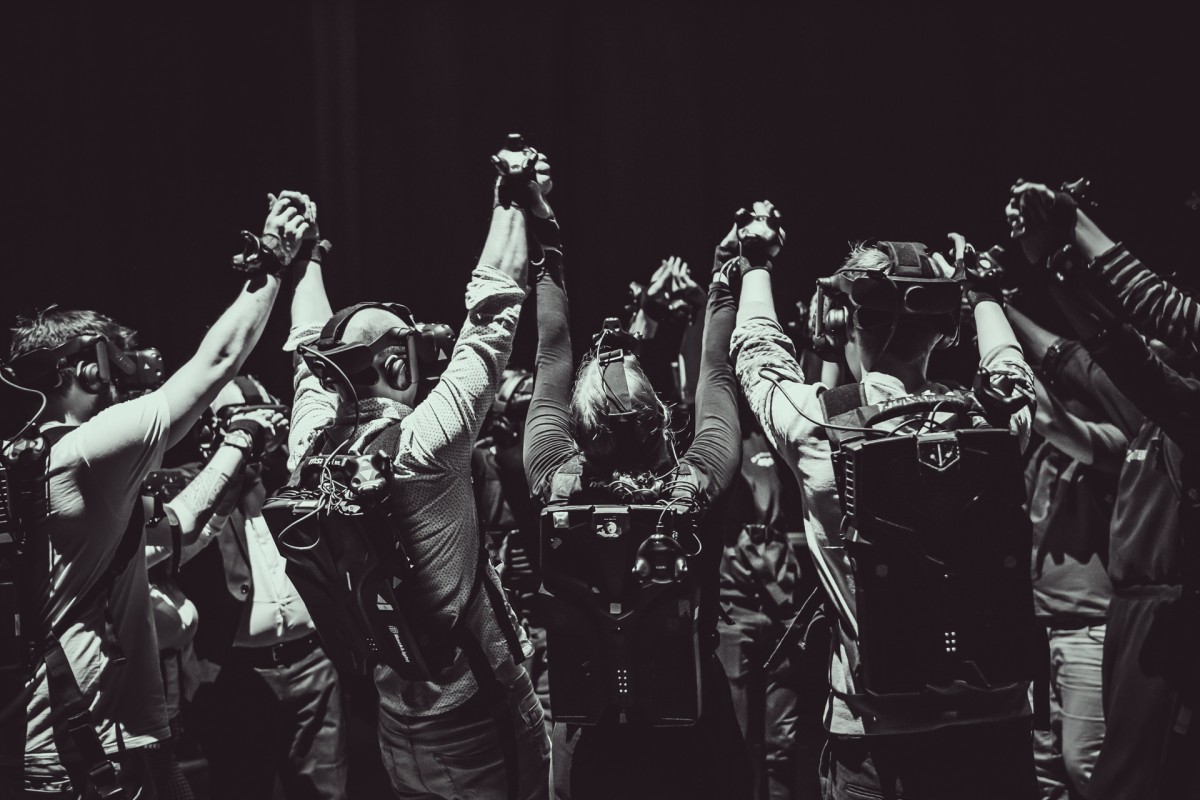
The Ubiquitous Body: Exploring Virtual Reality Art Through Embodied Cognition Theory
With the rapid iteration of virtual reality (VR) technology, new creative media and interaction methods have been activated. This paper delves deeply into the embodiment of VR art from the perspective of embodied cognition theory. The study reveals that the body plays a pivotal role in both enclosed artistic experiences facilitated by head-mounted VR devices…
-
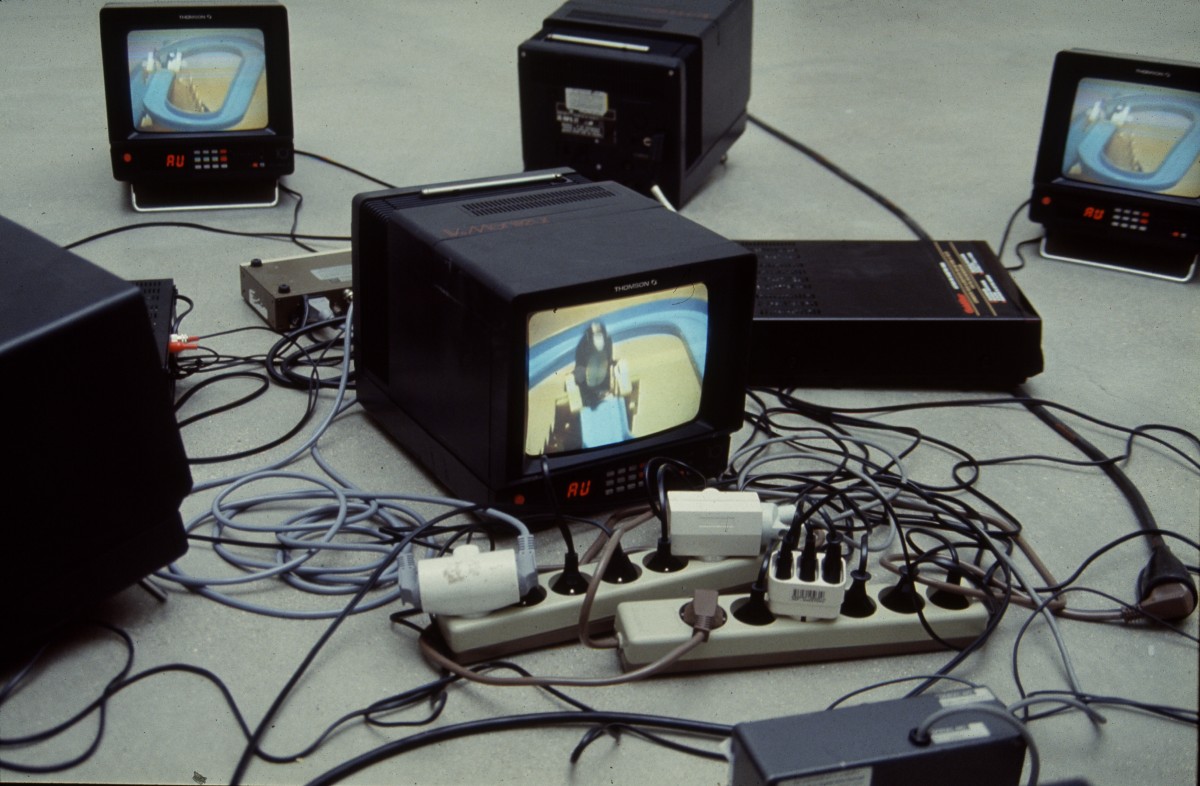
Concept and Medium: China’s First Video Art Piece and Zhang Peili’s Early Artistic Creation
This paper takes China’s earliest video artwork 30×30 and the early works of video artist Zhang Peili (張培力) as a foundation to study and explore the relationship between the origin of Chinese video art and the modern art movement in the 1980s.
-
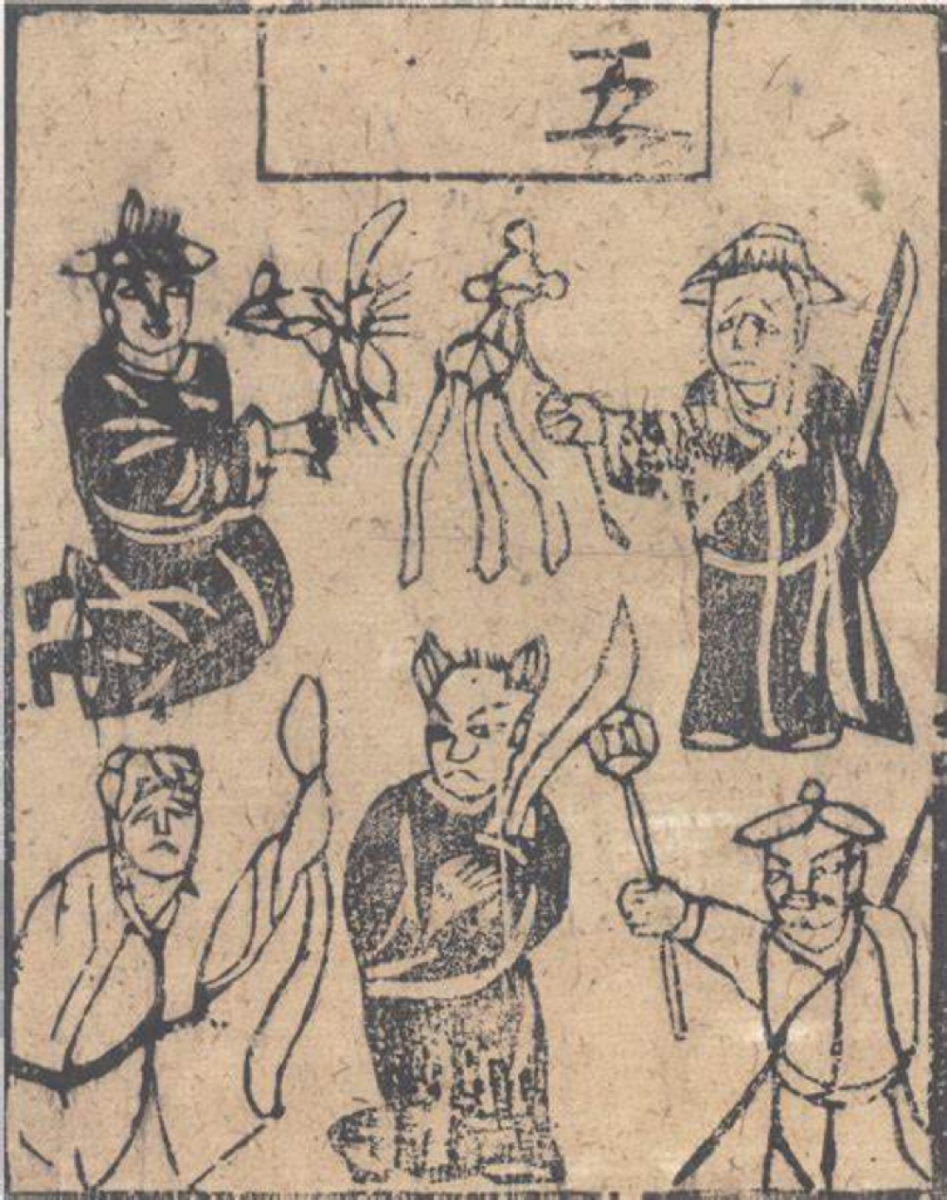
From the Perspective of the Randomness of Folk Art: The “Unintentional Contemplation” in Chinese Aesthetic Consciousness
This article focuses on the randomness in folk art practice and analyzes its logical connection with the traditional aesthetic concept of “unintentional contemplation.” The author believes that unintentional contemplation is a metaphysical aesthetic criterion in the practice of folk art, called the essence.
-
.jpg)
A Comparative Study of Art History Education Paradigms in China and the United States
This article conducts a comparative study of art history education in China and the United States, focusing on aspects such as curriculum design, training programs, faculty allocation, and teaching methods.