
Gu Zimo
DOI: 10.64212/GWVF3511
Abstract
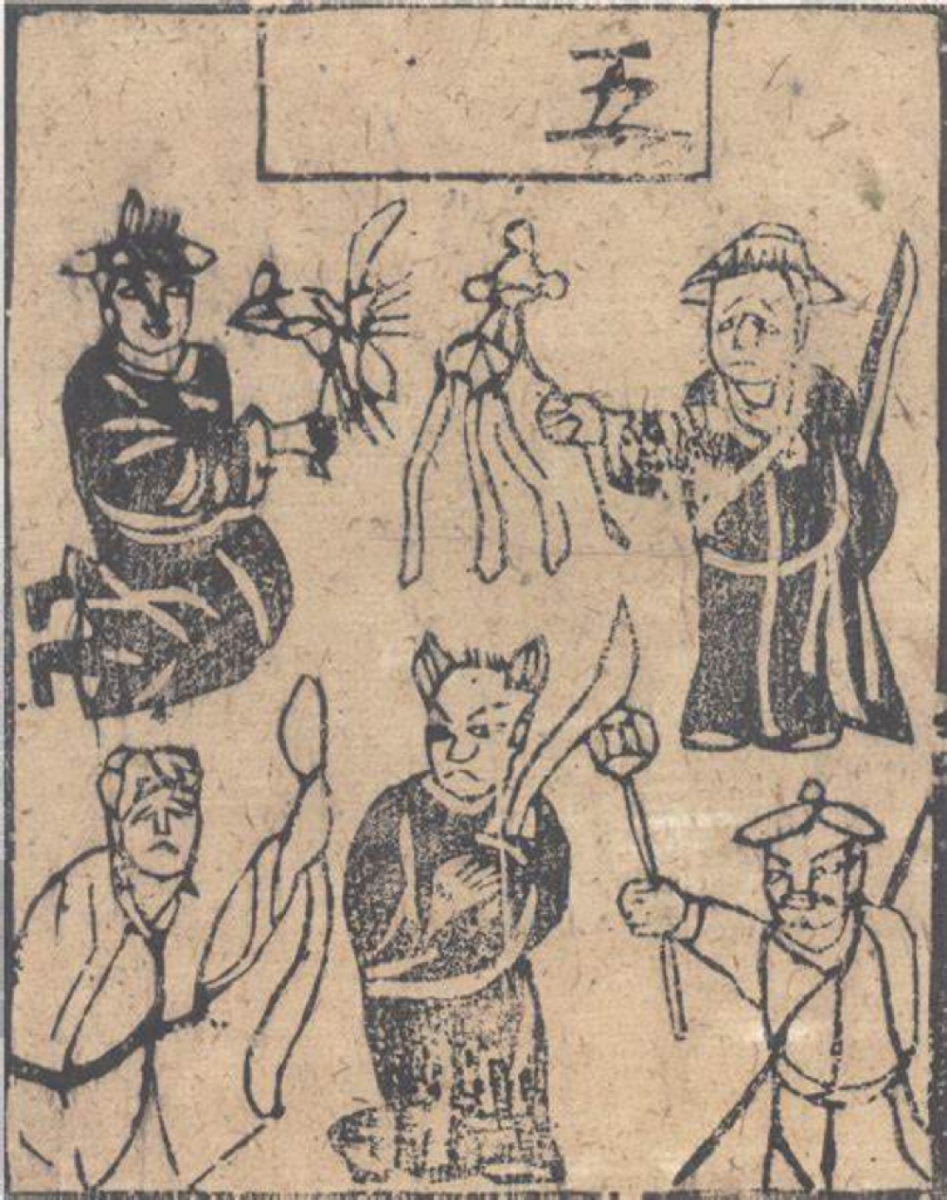
This article focuses on the randomness in folk art practice and analyzes its logical connection with the traditional aesthetic concept of “unintentional contemplation.” The author believes that unintentional contemplation is a metaphysical aesthetic criterion in the practice of folk art, called the essence. Folk creators are nourished by it. As the creative practice progresses and their skills become more refined, the randomness in their creations gradually emerges. This is the physical manifestation of the function. The two are dialectically unified and shape the core characteristics of folk art.
Key Words
Folk art, Chinese philosophy, mutual learning among civilizations, aesthetics
Leave a Reply