
Tag: No.3 July.-Sep.2024
-
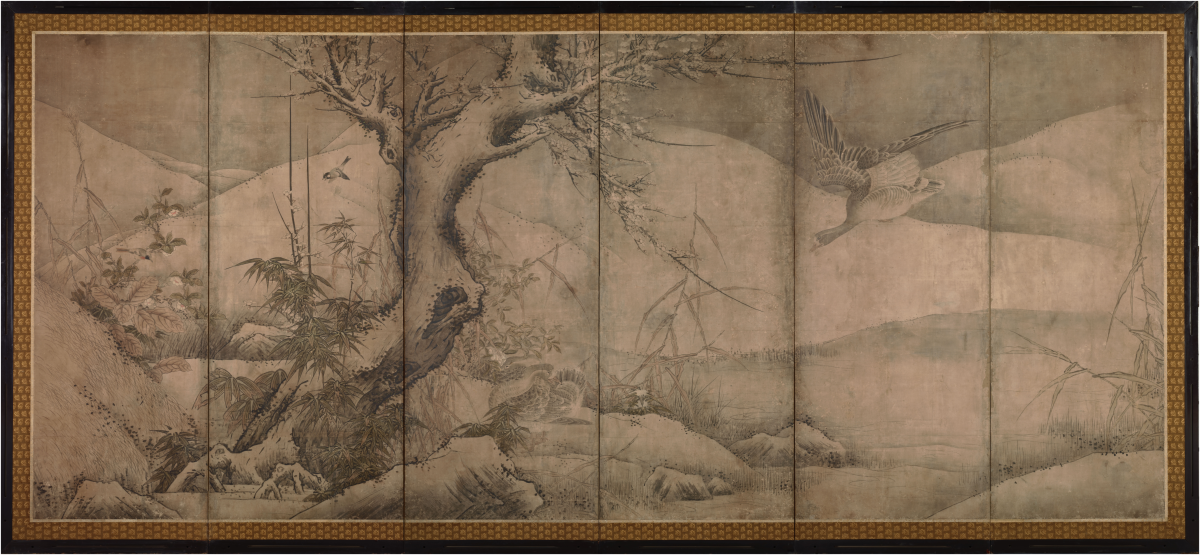
The Evolution and Impact of the Compositional Forms in Sesshu’s Paintings
In the history of cultural exchange between China and Japan, China has played a significant role in disseminating culture to Japan. An outstanding representative among the artists involved in these exchanges is the Japanese ink painter Sesshu. He studied in China during the Ming Dynasty, learning Chinese painting techniques and concepts, and was deeply influenced…
-

The Influence of Impressionism on Yan Wenliang’s Landscape Oil Paintings and the Formation of His Style
Yan Wenliang’s artistic journey in landscape oil painting was notably influenced by Impressionism, highlighting his relentless pursuit of a fusion style that blends Chinese and Western elements. In the initial phase, Yan Wenliang focused on meticulous depiction and profound harmonious tones, reflecting the characteristics of the customs for oil paintings that mirrored the atmosphere of…
-

The Formation of Shanghai School of Calligraphy
Shanghai possesses all the essential conditions for forming an art school: a favorable geographical environment, a relaxed political atmosphere, strong economic momentum, outstanding artistic leaders, a vast group of collectors, numerous art organizations, powerful publishing media, and an excellent educational heritage. All these factors contributed to the birth of the Shanghai School of Calligraphy. This…
-
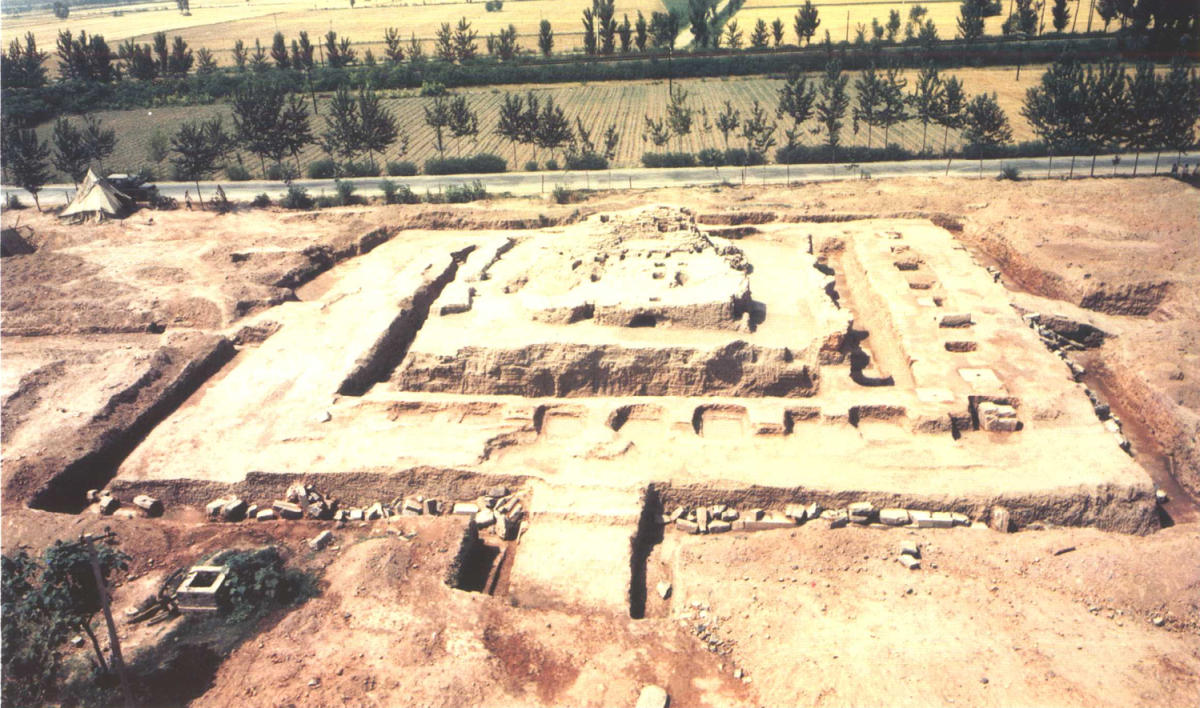
A Canon of Oriental Incomplete Beauty: The ExquisiteColored Sculptures Unearthed at the Yongning Temple Pagoda Site of the Northern Wei Dynasty in Luoyang
The artifacts unearthed from the site of Yongning Temple of the Northem Wei Dynasty in Luoyang, Henan, are most representative of colored sculptures and architectural components. Among them, the smal figurine sculptures are the most exquisite, often displaying graceful, serene expressions, with a delicate elegance and tranquility. Their expressions, embodying joy that arises from within…
-

Writing from the Other Side: Thoughts on Identity in Mark Tobey’s Art-Making
This paper delves into Mark Tobey’s artistic lineage, where he absorbed and synthesized Eastern artistic philosophies in a Western artistic environment, led to the formation of his White Writing and Total Abstraction styles in which his artistic practice also provokes a complex discussion of his artistic identity. In the process, Tobey’s artistic practice also triggered…
-
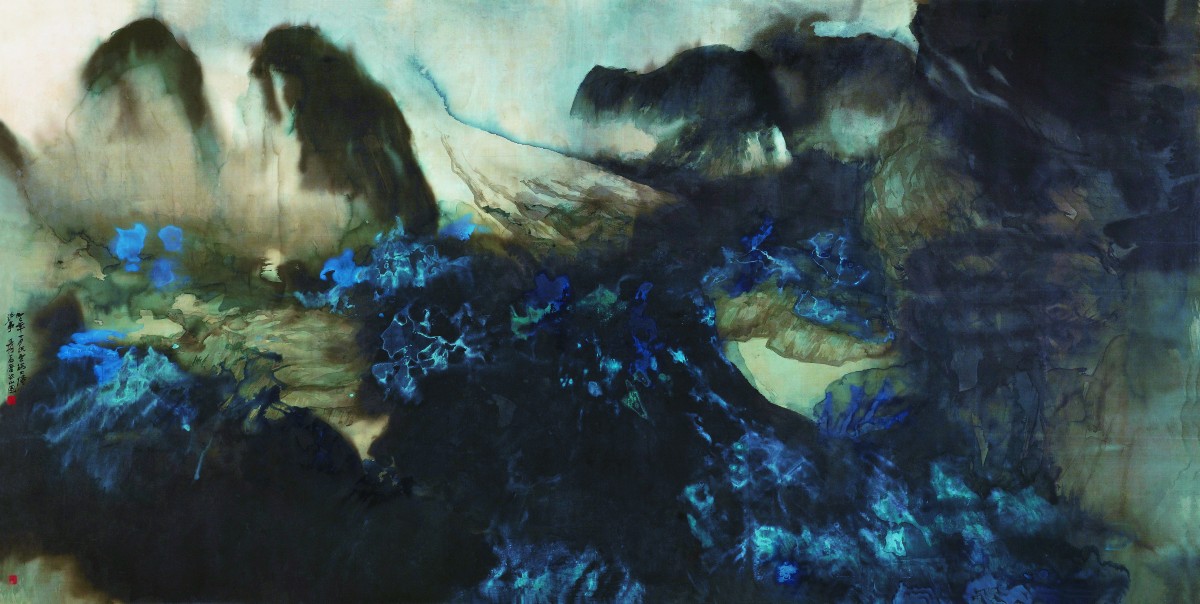
From Linear to Planar: A Study of the Evolution of Chang Dai-Chien’s Artistic Style During His Overseas Period
The predominant approach to studying Chang Dai-Chien in the history of modern Chinese art lies in historical verification. Yet, in recent years, stylistic analysis has become a focal point in art history research. The transformation of style from linear to planar is a significant characteristic of Chang Dai-Chien’s artistic creations during his overseas endeavors. This…
-

The Calligraphy of Distant Lands: Abstract Expressionist Paintings of John Way
American Abstract Expressionist painting successfully shifted the center of contemporaryart from Paris to New York in the mid-20* century. This achievement was not only dueto the growing international influence of the United States’ power, but also to its inclu-sive and humanistic values. John Way, originally trained in traditional Chinese literatieducation as a seal carving artist…
-
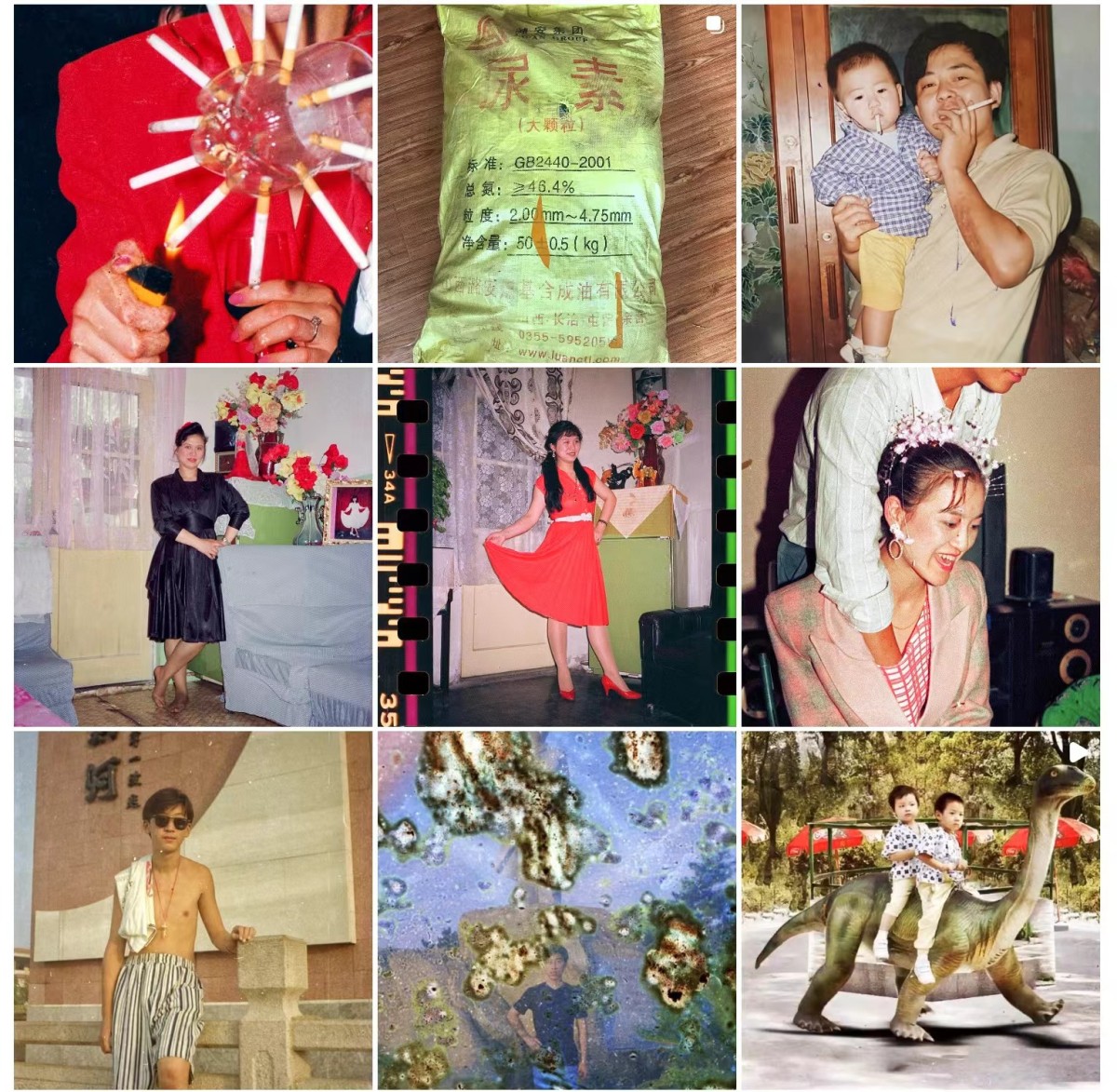
Photography Industry under Digitization: A Glimpse of How Digital Images Influenced Professional Photographers and the Public
Photography is not only about scientific proof and art anymore. Social photography is gradually emerging and changing our perspective on photographs both in the eyes of the public and professional photographers. The phenomenon of social photography is reducing job opportunities for professional photographers, but at the same time social photography may give people a feeling…
-

The Origin, Connotation and Contemporary Educational Value of Liu Haisu’s Artistic Expression Thought
Liu Haisu’s artistic core concept is the “create-authenticity expression” theory which integrates traditional Chinese painting aesthetics and Western modern art and extracts the connotation of “expression is the overall presentation of life.” This idea still has extremely important value in contemporary art education.